Smokeball
Problem
As Smokeball scaled, the product experience had become visually inconsistent and difficult to evolve. UI patterns had developed organically over time, creating fragmentation across the platform and increasing design and engineering effort. Without a shared system, teams were duplicating work, and delivering a cohesive user experience was becoming increasingly challenging.
Approach
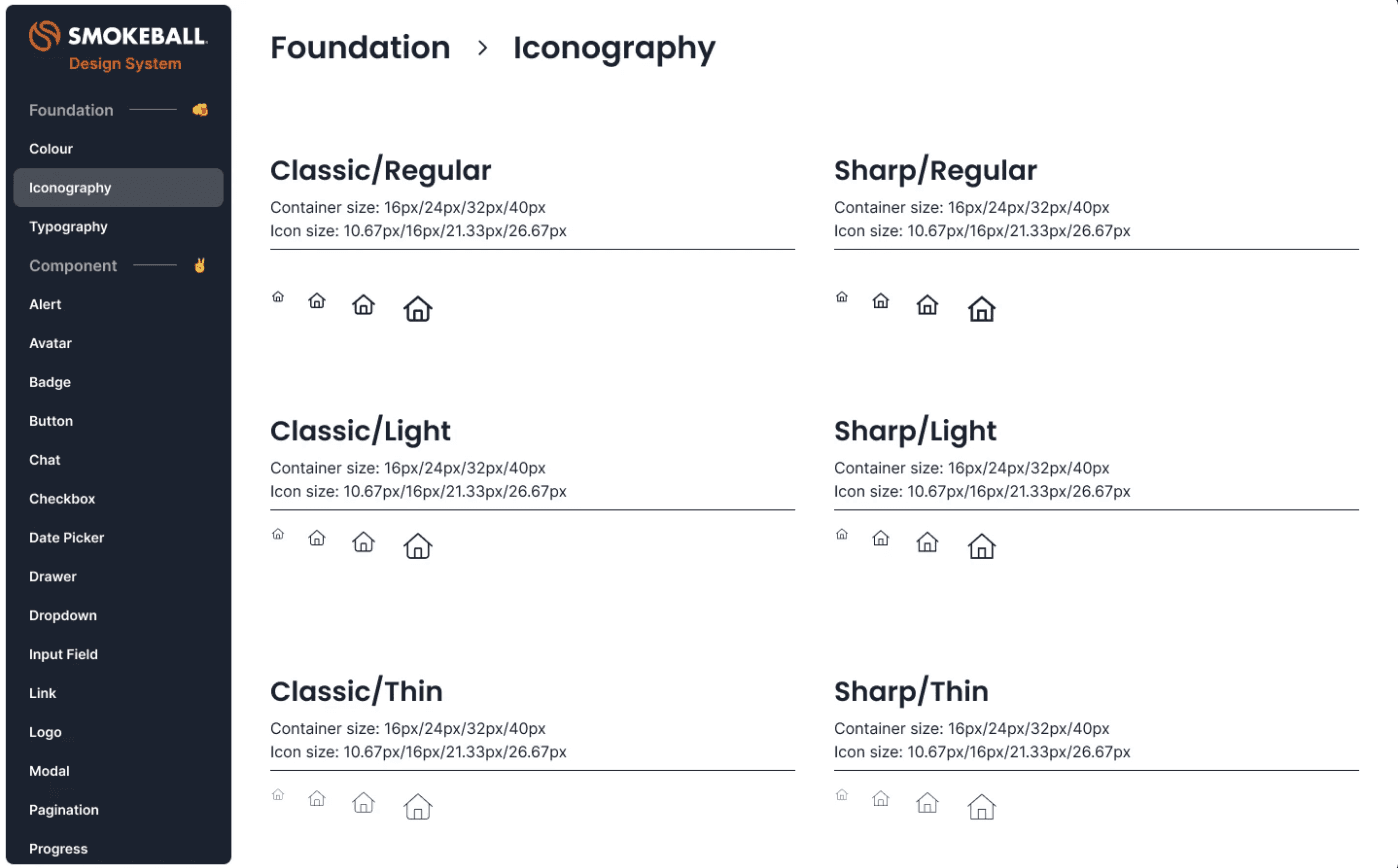
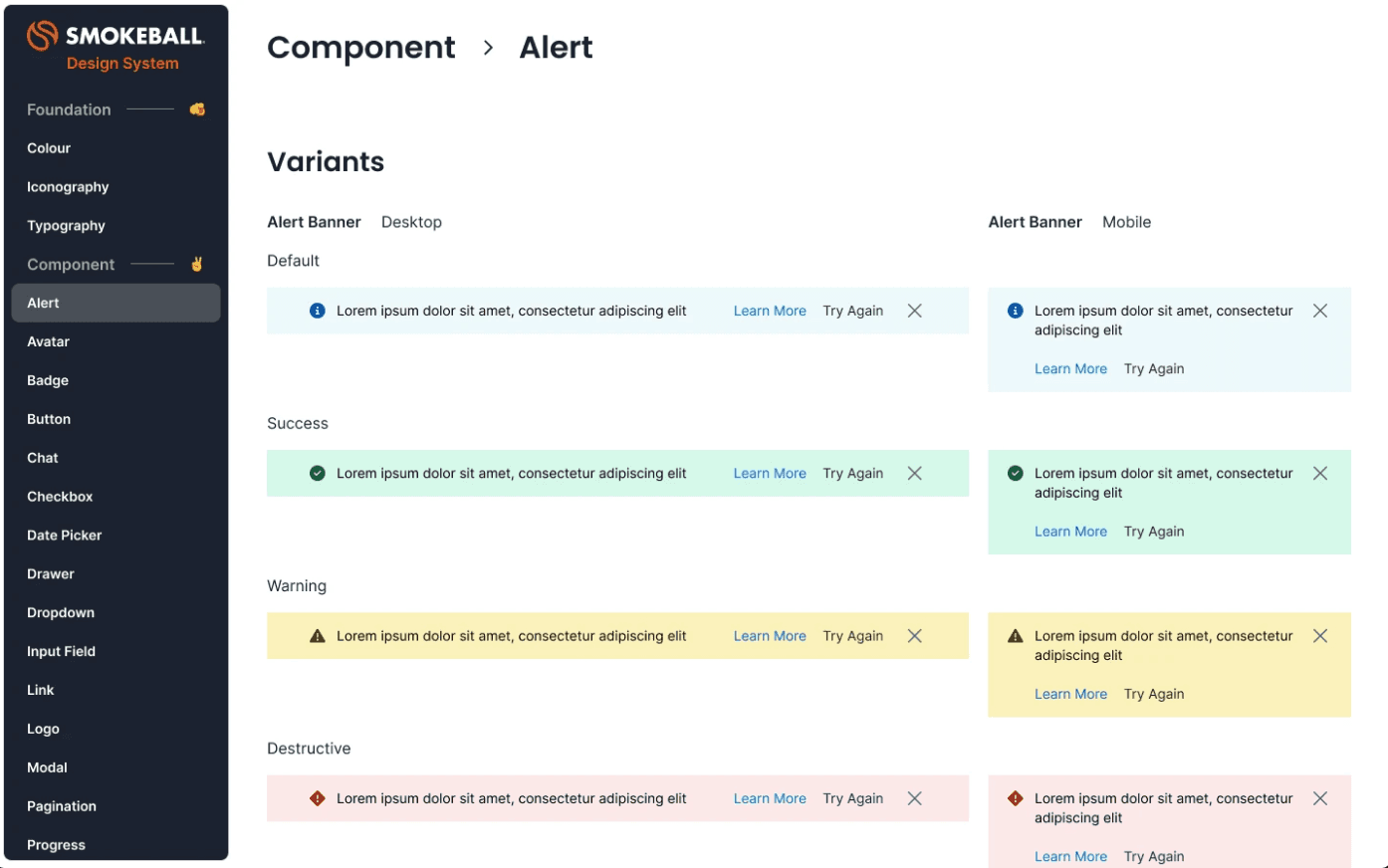
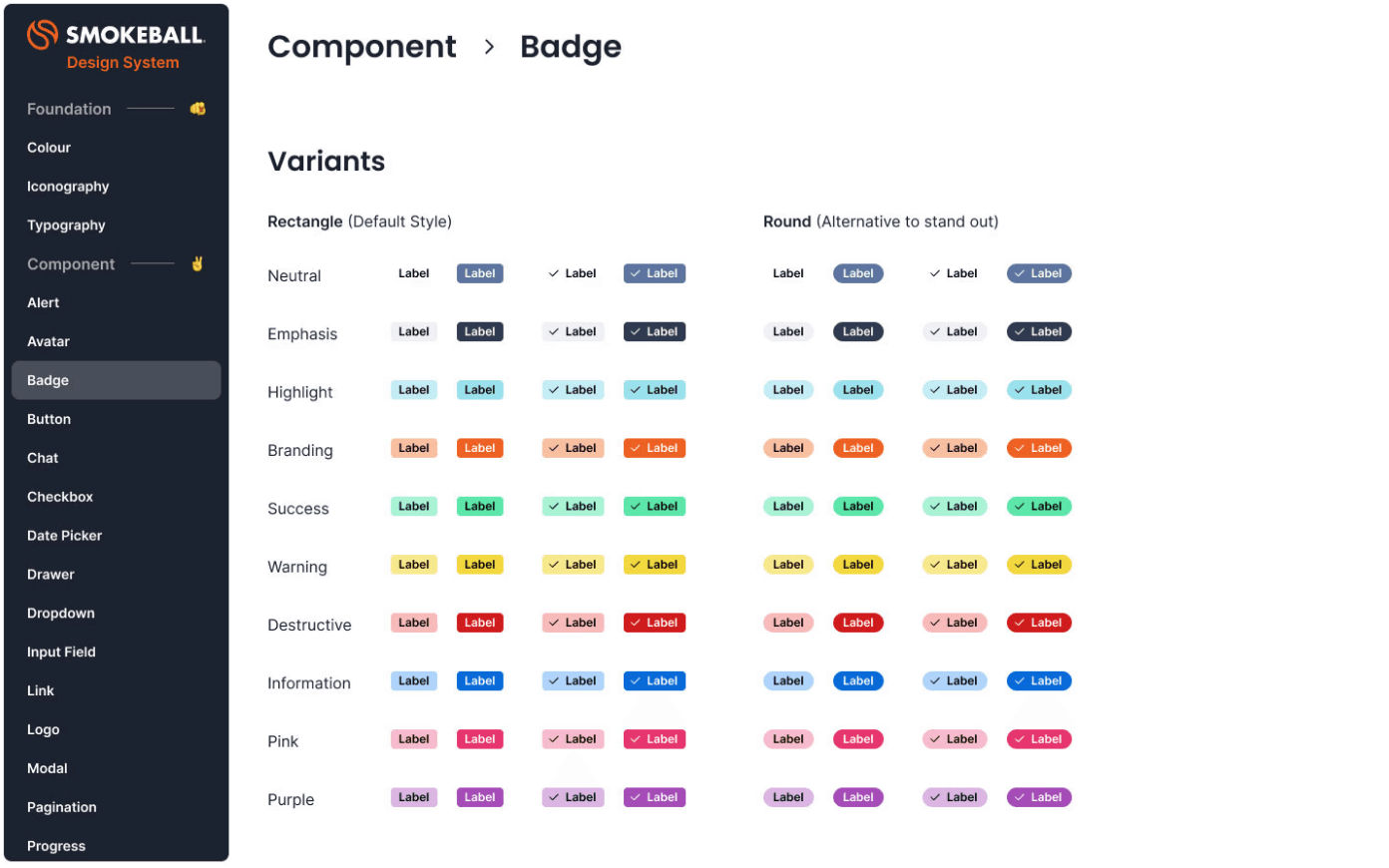
I led the introduction of Smokeball’s first design system, defining a scalable foundation of tokens, components, and interaction patterns. We prioritised high-impact, reusable UI elements and embedded the system into day-to-day product development o ensure alignment between design and implementation. The system was introduced incrementally, supporting active product work while establishing longer-term standards.
My Role
Owned | Led | Contributed to |
|---|---|---|
Design system vision, foundations (tokens, components, patterns), and integration into product development. | Cross-functional alignment, component prioritisation, and adoption across teams. | Component designs, engineering implementation and adoption strategy, and team capability uplift. |
Outcome
The design system created a shared visual and interaction language across teams, improving product consistency and reducing design and engineering friction. It enabled faster, more efficient delivery, supported ongoing UI modernisation, and provided a scalable foundation for future product development including AI-enabled experiences.
Design System Maturity
Before
Fragmented UI, no shared standards, duplicated effort, weak design–engineering alignment
After
Scalable design system, consistent experience, reusable components, improved delivery speed and alignment